Why Most Social Security Disability Claims Get Denied the First Time
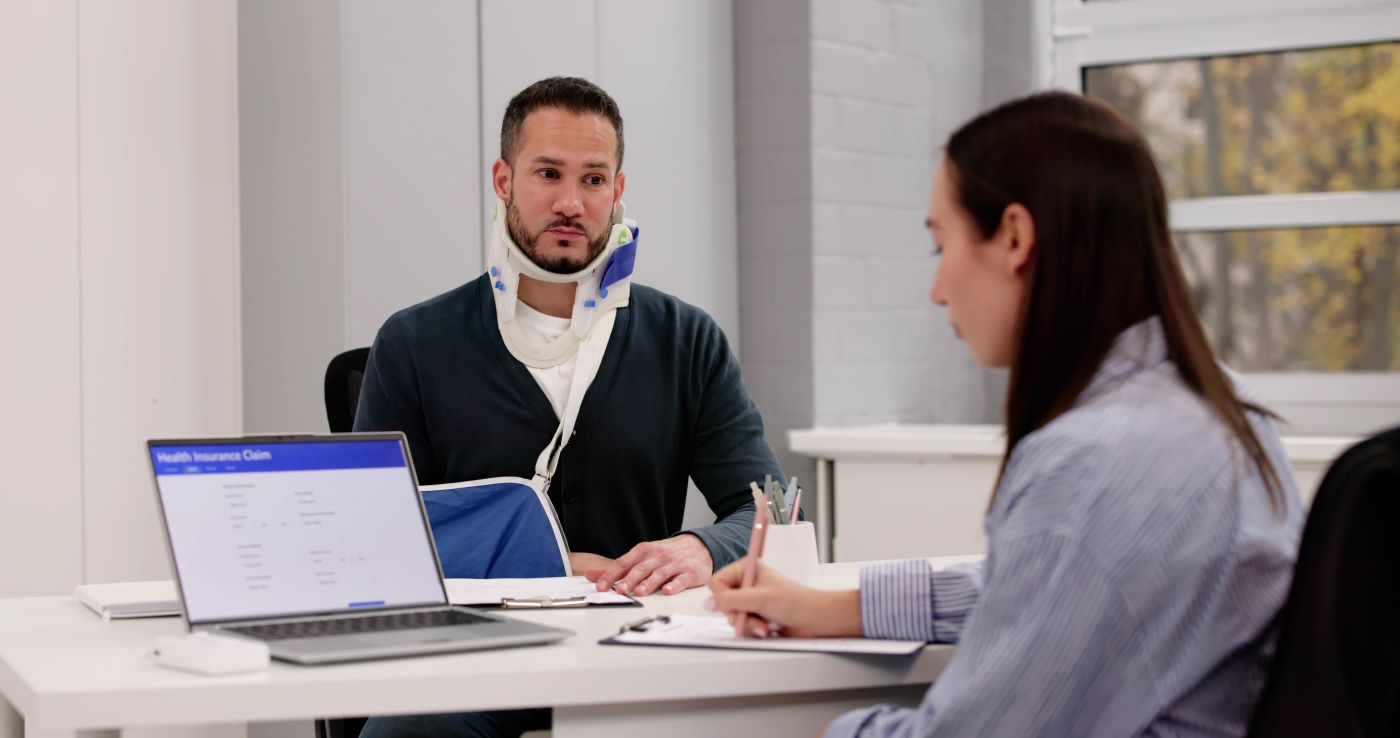
If you are unable to work because of a medical condition, you may assume that applying for Social Security Disability benefits is simply a matter of submitting medical records and waiting for approval. Unfortunately, the reality is often much different. Many deserving applicants are surprised to learn that a large percentage of Social Security Disability claims are denied during the initial application stage.
Receiving a denial can be discouraging, especially when you are already dealing with health challenges, financial stress, and uncertainty about the future. However, a denial does not necessarily mean you do not qualify for benefits.
At Manus Law Offices, I help individuals throughout Northwestern Illinois and Southern Wisconsin pursue Social Security Disability benefits and appeal denied claims. With decades of legal experience and licenses to practice in both Illinois and Wisconsin, I understand how frustrating the disability claims process can be. Many people come to me after receiving a denial and wondering what went wrong.
Others seek legal guidance before filing an application to avoid mistakes that can delay or harm their claim. Understanding why disability claims are often denied is an important first step toward building a stronger case and improving your chances of obtaining the benefits you need.
One of the most common reasons SSD claims are denied involves insufficient medical evidence. Many applicants genuinely suffer from serious medical conditions, but the Social Security Administration cannot approve benefits based solely on a diagnosis. Instead, it must evaluate how that condition affects the applicant's ability to work and perform daily activities.
Medical records play a major role in this process. Treatment notes, physician opinions, imaging results, laboratory findings, therapy records, and other documentation help establish the severity of a condition. If records are incomplete, outdated, or fail to clearly demonstrate work-related limitations, a claim may be denied.
Many people assume the Social Security Administration will gather all necessary records on its own. While records are requested during the application process, important information can sometimes be missing. In other situations, medical providers may not have documented functional limitations in sufficient detail.
I often work with clients to identify gaps in the medical evidence and obtain additional records that provide a clearer picture of how their condition affects their ability to maintain employment.
Social Security Disability benefits are intended for individuals whose medical conditions prevent them from engaging in substantial gainful activity. If an applicant continues earning income above the Social Security Administration's established limits, the agency may determine that the individual is still capable of working despite their medical condition.
This issue can create confusion because many applicants attempt to continue working part-time or in limited capacities while coping with serious health problems. Although every situation is different, earning too much income can affect eligibility for benefits.
The Social Security Administration reviews employment records, earnings history, and current work activity when evaluating claims. Understanding how work activity affects eligibility is important before filing an application.
When clients have questions regarding employment and disability benefits, I help them evaluate how their work history and current circumstances may affect their claim.
Another reason claims may be denied involves failure to follow recommended treatment. The Social Security Administration often expects applicants to pursue reasonable medical treatment that may improve their condition.
If records indicate that an applicant repeatedly misses appointments, declines treatment recommendations, or fails to follow prescribed care plans without a valid reason, decision-makers may question the severity of the condition or whether the individual is doing everything possible to improve their situation.
Of course, there are legitimate reasons why treatment may not be followed. Financial barriers, side effects, transportation difficulties, lack of insurance, and other factors may affect a person's ability to obtain care. These circumstances should be properly documented and explained during the claims process.
Helping clients present a complete picture of their medical situation is often an important part of building a strong disability claim.
The disability application itself is lengthy and detailed. Applicants must provide information about medical conditions, treatment providers, medications, employment history, daily activities, and other personal information.
Simple mistakes, omissions, or inconsistencies can create problems. Missing information may delay the review process or lead to unfavorable conclusions about the claim. In some situations, applicants unintentionally understate their limitations because they are accustomed to coping with their symptoms on a daily basis.
The Social Security Administration relies heavily on the information contained within the application. Providing clear, accurate, and thorough responses can make a significant difference.
I frequently assist clients with preparing disability applications and reviewing supporting information before submission. Careful preparation often helps avoid issues that may contribute to an initial denial.
Many applicants assume they only need to show they cannot return to their previous job. However, the Social Security Administration evaluates whether an individual can perform any substantial work available in the national economy.
Even if a medical condition prevents someone from returning to a physically demanding occupation, the agency may conclude that less demanding work remains possible. Age, education, transferable skills, and physical limitations all play a role in this analysis.
This is one of the reasons disability cases often become more challenging than applicants expect. The question is not simply whether you can perform your former job. The agency also considers whether other forms of employment may be available based on your circumstances.
Presenting strong evidence regarding physical limitations, cognitive impairments, pain levels, and other restrictions can be particularly important when addressing this issue.
Many applicants mistakenly believe that a denial is the end of the process. In reality, appeals are a normal part of Social Security Disability cases.
A significant number of successful claims are approved on appeal rather than at the initial application stage. Appeals may involve requests for reconsideration, administrative hearings, and additional evidence supporting the claim.
During the appeals process, applicants often have opportunities to provide updated medical records, clarify misunderstandings, and address weaknesses identified in the initial decision. Administrative law judges may also review the case and hear testimony regarding the applicant's limitations and work history.
At Manus Law Offices, I help clients pursue appeals and present stronger cases after an initial denial. Many individuals who were previously denied benefits ultimately obtain approval through persistence and careful preparation.
Although Social Security Disability benefits are governed by federal law, applicants in Illinois and Wisconsin must still work through local Disability Determination Services offices and administrative procedures that affect how claims are reviewed.
Federal regulations establish eligibility requirements for both Social Security Disability Insurance (SSDI) and Supplemental Security Income (SSI). Applicants must demonstrate that they have a qualifying medical condition expected to last at least twelve months or result in death and that the condition prevents substantial gainful employment.
Administrative hearings for Illinois and Wisconsin claimants are conducted through the Social Security Administration's hearing system, and approval rates can vary by review stage. Because disability claims involve detailed medical records, vocational evidence, and procedural requirements, many applicants benefit from legal representation throughout the process.
Understanding how federal disability rules apply to your specific circumstances can help you avoid common mistakes and present the strongest possible claim.
At Manus Law Offices, I have spent decades helping individuals pursue Social Security Disability benefits throughout Northwestern Illinois and Southern Wisconsin. Licensed in both Illinois and Wisconsin, I work closely with clients who are unable to work because of serious medical conditions and need financial support through SSDI or SSI benefits. I believe qualified individuals deserve access to the benefits available to them, and my affordable fee structure means you pay no attorney fees unless your claim is approved. If you need help with a disability claim or appeal, contact me today.